Blue Flower Embroidery Review
As an embroidery designer and product reviewer, I’ve evaluated countless machine embroidery designs. Blue Flower stands out for its elegant simplicity and versatility, making it a strong contender for spring projects and beyond. But like any design, it has its strengths and limitations depending on how you plan to use it.
The First Impression: A Soft, Timeless Design
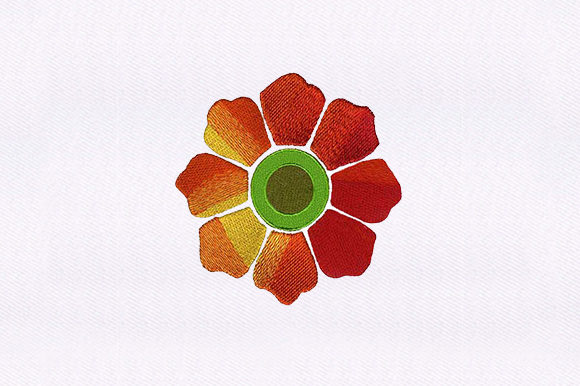
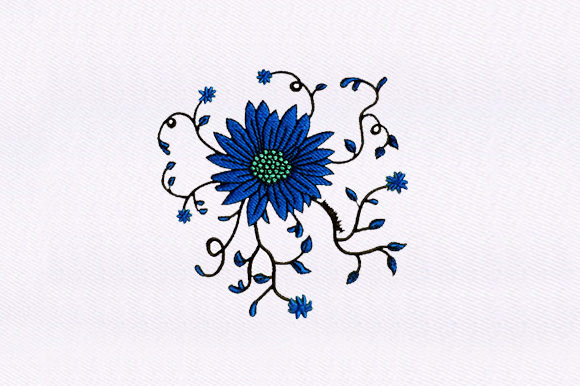
From the moment I viewed Blue Flower, it exuded a calm, natural aesthetic. The shape is clean and balanced, with soft curves that suggest a blooming flower in gentle sunlight. The layout feels intentional, with enough detail to be visually engaging but not overwhelming. This makes it ideal for projects where subtlety matters—like baby clothes, personalized gifts, or small shop merchandise.
The design’s theme is clearly floral, but it avoids being overly ornate. It could work as a standalone piece or part of a larger composition. Its visual personality leans toward classic and timeless, which means it’s less likely to go out of style compared to more trendy patterns.
Real-World Use Cases: Where Blue Flower Shines
One of the first scenarios I imagined was using Blue Flower on a custom embroidered tote bag. The design would add a touch of elegance without overpowering the fabric. It also works well on sweatshirts, especially for a relaxed, casual look. For a small business owner, this could translate into a popular Etsy listing or craft fair item.
Another practical use case is as an embroidered patch. The design’s size and structure make it suitable for patches that can be sewn onto jackets, backpacks, or even pet accessories. It also pairs well with applique designs, offering a soft contrast against other fabric elements.
For baby items, Blue Flower could be a great choice. Its gentle lines and soft color palette make it appropriate for nursery decor, onesies, or blankets. It’s the kind of design that feels safe and comforting, which is important when creating handmade products for infants.
Challenges and Considerations
While Blue Flower is versatile, it’s not without its challenges. One thing to watch for is the stitch density. If the design is too dense, it might cause puckering on thin or stretchy fabrics. That’s why testing on scrap fabric before committing to a project is essential.
Small hoop sizes can also be an issue. If you’re working on a curved surface like a cap or a hat, the design may not fit well within the standard hoop dimensions. In such cases, you might need to split the design or adjust the placement.
Dark fabrics present another consideration. While the design may look great on light backgrounds, it could lose some detail on darker materials. Testing with different thread colors and ensuring proper contrast is key to maintaining visual appeal.
Impact on Visual Appeal and Customer Perception
When used correctly, Blue Flower can elevate the overall look of a finished product. It adds a level of sophistication that appeals to customers looking for quality and craftsmanship. As an Etsy seller or small shop owner, this kind of design can help build brand consistency and attract buyers who value handmade and personalized items.
Customers often respond positively to designs that feel authentic and well-crafted. Blue Flower, with its clean lines and natural feel, can contribute to a sense of professionalism in your work. It also enhances giftability, making it a good choice for holiday or wedding gifts.
For commercial embroidery projects, the design’s simplicity can be a benefit. It’s less likely to cause technical issues during stitching, which is important when working on large-scale orders. However, if you’re planning to sell digital embroidery files, make sure to check the licensing terms before distributing the design.
Practical Designer Notes
Before finalizing any project with Blue Flower, I recommend testing it on different fabrics. This will help you understand how the stitches behave and whether the design needs adjustments for specific materials. Pay close attention to the stabilizer type—some fabrics may require additional support to prevent distortion.
Also, consider how the design will look in black and white mockups. This helps you assess its clarity and whether it holds up without color. If you’re planning to use it on both light and dark fabrics, test it in both scenarios to ensure it remains visible and appealing.
Lastly, always confirm that the embroidery file is compatible with your machine. While the product description mentions multiple formats, it’s wise to double-check the specifics before purchasing. This ensures you can use the design without unnecessary delays or complications.
Final Thoughts: A Reliable Choice for Spring Projects
Blue Flower is a solid machine embroidery design that offers a balance between beauty and usability. It’s well-suited for a variety of projects, from custom apparel to small shop merchandise. With careful consideration of fabric type, hoop size, and stitch density, it can become a valuable addition to your design library.
Whether you're a hobbyist, a craft business owner, or an embroidery professional, Blue Flower provides a reliable option for spring and seasonal projects. Just remember to test it thoroughly and adapt it to your specific needs. With the right approach, it can enhance your work and delight your customers.