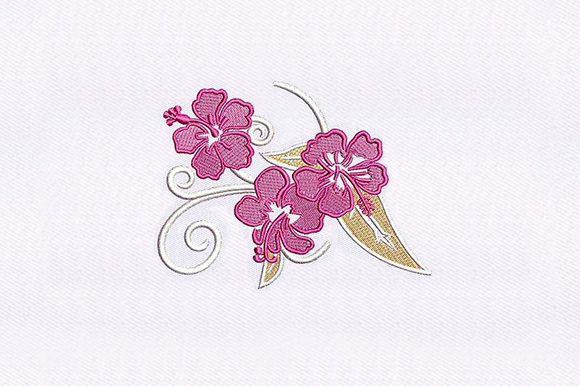
Pink Rosemallows Embroidery
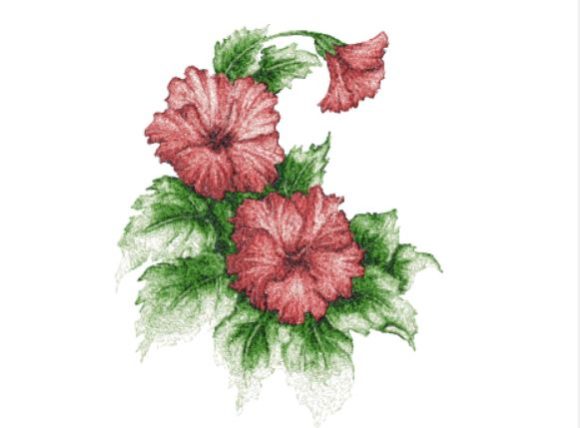
The Pink Rosemallows embroidery design is a charming addition to any craft fair product or handmade item. With its soft, feminine appeal, it’s perfect for creating eye-catching embroidered pieces that stand out in a crowded market. As an experienced embroidery designer, I’ve tested this design on various fabrics and products, and it consistently delivers a premium look without compromising on practicality.
First Impressions of Pink Rosemallows
From the first glance, Pink Rosemallows exudes a delicate, elegant vibe. It feels like a modern take on traditional floral designs, making it ideal for both rustic and contemporary settings. The soft pink tones and intricate detailing make it feel premium, which is essential for attracting customers looking for quality handmade products. This design would fit well in a farmhouse-themed booth or a minimalist display, offering versatility in style and application.
Where Pink Rosemallows Shines
When considering where to place Pink Rosemallows in your craft fair setup, it’s important to think about how it will catch the eye. On tote bags, it adds a subtle yet stylish touch that can elevate a basic bag into a standout piece. For apron embroidery, it provides a focal point that draws attention without overwhelming the design. On tea towels, it brings a soft, decorative element that complements kitchen decor.
- Tote Bag Design: Perfect as a small accent or larger focal point, it adds charm to everyday carry items.
- Apron Embroidery: Works well as a central feature, giving the apron a unique, personalized look.
- Tea Towel Embroidery: Adds a touch of elegance to home goods, making them great for gift-giving.
- Embroidered Patch: Ideal for adding to jackets, backpacks, or hats, offering a quick and easy way to incorporate the design.
- Fabric Pouches: Enhances the visual appeal of small storage items, making them more desirable for buyers.
Practical Selling and Production Points
One of the key factors for craft fair sellers is how easy a design is to produce in bulk. Pink Rosemallows performs well in this regard. Its clear lines and manageable stitch density make it suitable for batch production. However, it's important to test the design on different fabrics to ensure it looks good on all surfaces.
For online listings, the design photographs well, especially when paired with light-colored backgrounds. As an Etsy seller, you’ll want to create printable mockups that showcase the embroidery in real-life scenarios. This helps potential buyers visualize how the design will look on their own products.
Careful-Use Notes
While Pink Rosemallows is generally user-friendly, there are a few things to keep in mind. The design includes some dense stitch areas, so using the right stabilizer is crucial to prevent puckering. Tiny details may not show up clearly on thick fabric or textured towels, so it’s best to test on similar materials before mass production.
On curved cap surfaces, the design may require slight adjustments to maintain its shape. Dark fabrics could also affect the visibility of the pink threads, so choosing the right thread colors is essential. Additionally, if the design is used at smaller sizes, some details might be lost, so consider the scale carefully.
Impact on Visual Appeal and Customer Engagement
As a craft fair product, Pink Rosemallows has the potential to draw in customers with its soft, inviting aesthetic. It adds value to handmade products by offering a polished, professional look that customers associate with quality. When displayed on pillow covers or market bags, it enhances the overall visual appeal of your booth, making it more attractive to passersby.
For small shop products, this design offers consistency in branding. Whether you're selling through Etsy or at a local craft fair, having a signature design like Pink Rosemallows helps build recognition and trust with your audience. It also encourages repeat purchases, as customers are drawn to familiar, high-quality patterns.
Embroidery Designer Notes
Before finalizing any project with Pink Rosemallows, I recommend testing the design on scrap fabric. This allows you to check the stitch density and ensure that the thread colors match your intended look. Reviewing the spacing of the design is also important to avoid overcrowding, especially if you plan to use it as a small accent.
Confirming the hoop size needed for the design is another critical step. If the design requires a larger hoop, you may need to adjust your setup accordingly. Using the right stabilizer is essential, particularly for delicate or stretchy fabrics. Creating at least one real mockup will help you see how the design translates to actual products, ensuring it meets your standards.
Finally, always verify the commercial licensing of the embroidery file before selling finished products. This ensures that you’re compliant with any usage restrictions and protects your business from legal issues down the line.